
SEO & AI Search News for Developers: June 2026 Roundup

Aneh Thakur
·12 min read
If you ship documentation, tutorials, or developer tools, June 2026 was not a quiet month in search. Microsoft launched Web IQ — a grounding API stack with MCP support — Google finished a two-day spam rollout, and ad platforms raced to place inventory inside AI Mode and chat interfaces. This roundup filters the noise into actions you can take on a technical blog or docs site without rehashing generic marketing headlines.
What you'll learn
What Microsoft Web IQ is and why MCP developers should care
How the June 2026 Google spam update affects tutorial and docs sites
Who qualifies for Google Search Profiles and what they do *not* fix
GA4 source group reporting for social and referral traffic
Ad-platform changes (Google, ChatGPT, Meta, LinkedIn) that touch technical publishers
A practical audit checklist you can run in an afternoon
Prerequisites
A site you publish on (blog, docs, or product marketing)
Google Search Console and GA4 access (read-only is enough for the audit)
Optional: an MCP-capable agent (Cursor, Claude Desktop) if you experiment with Web IQ later
No paid SEO tools required — official dashboards and policies are enough for this guide
June 2026 timeline at a glance
Date (approx.) | Platform | What changed | Developer relevance |
|---|---|---|---|
Early Jun | Microsoft | Web IQ grounding APIs | Agents need fresh web evidence; MCP-native access |
Jun 4 | Google Search | Search Profiles (US) | Large creators only; not a ranking lever |
Jun 6 | Reminder to vet SEO/AEO tool claims | Avoid tools promising “SEO-friendly sitemaps” or guaranteed #1 ranks | |
Jun 8–12 | ChatGPT Ads | Budget, bidding, multi-brand ad slots | CPC/CPM flexibility; more auction competition |
Jun 11 | GA4 | Source group dimension | Easier social vs referral splits |
Jun 11 | OpenAI | Product feeds in ChatGPT Ads Manager | E-commerce integrations |
Jun 12 | Google Ads | Ad frequency limits from negative feedback | Landing-page UX matters for visibility |
Jun 15 | Meta | AI Mode in search surfaces | Another AI answer surface for content |
Jun 16 | Bid adjustments by job seniority | B2B dev-tool ads | |
Jun 16 | Microsoft | AI performance report additions | Citation/intent data for publishers |
Jun 17 | Google Ads | Auto-categorization of customer lists | Clean up remarketing lists |
Jun 18 | Google Ads | Ask Ads Manager chatbot in GAM | Faster troubleshooting inside ad UI |
Jun 19 | ChatGPT Ads | UK beta expansion | Geo expansion for advertisers |
Jun 23 | Amazon | Alexa+ agentic ads | Voice/conversational commerce experiment |
Jun 23 | YouTube | Creator video insights for advertisers | Brand suitability signals |
Jun 24–26 | Google Search | Global; ~48 hour rollout |
Use this table as a change log when you see traffic movement in late June — correlate dates before rewriting content.
Microsoft Web IQ: grounding built for agents (and MCP)
The biggest developer story in June was [Microsoft Web IQ](https://www.microsoft.com/en-us/webiq) — a suite of APIs that returns passage-level, citation-ready evidence from Bing’s index instead of a list of blue links. Microsoft positions it as “a search engine for AI systems”: built for multi-step agents that need fresh facts under tight latency budgets.
Why this matters if you build with MCP
Traditional search APIs return pages; agents burn tokens parsing HTML. Web IQ returns structured evidence objects designed to drop into an LLM context window. Microsoft documents it as MCP-native and model-agnostic — the same infrastructure that powers major assistants, now exposed for developers building custom agents.
For TrinityTuts readers already running MCP servers in Cursor, the implication is clear: grounding is becoming a first-class API category, not a hack around fetch() and HTML parsers. When Web IQ reaches general availability, expect patterns like:
{
  "mcpServers": {
    "web-grounding": {
      "comment": "Example placeholder — use official Web IQ MCP endpoint when GA",
      "url": "https://api.example.com/mcp",
      "headers": {
        "Authorization": "Bearer ${WEB_IQ_API_KEY}"
      }
    }
  }
}
Do not paste production keys into committed config. Use environment variables and project-scoped .cursor/mcp.json as described in our Cursor MCP security guide.
Publisher angle
Microsoft has been shipping AI citation tooling in Bing Webmaster Tools for months. Web IQ is the retrieval side; your pages compete on passage usefulness, not just title tags. Long, well-structured sections with clear headings help both classic SEO and AI grounding.
What to do now
1. Request access at webiq.microsoft.ai if you build agents that need live web data. 2. Audit top tutorial pages: one clear H2 per task, code blocks labeled, dates on “tested” claims. 3. Read Microsoft’s grounding engineering post to understand latency and token tradeoffs.
Google spam update (June 24–26): fast rollout, same policies
Google’s [June 2026 spam update](https://status.search.google.com/incidents/YUX1peHev5a4fkxLDiUQ) rolled out globally from June 24 to June 26 — about two days. Google did not announce new spam policies; it improved automated enforcement (including SpamBrain) against existing violations.
Who should worry
Sites at risk include those using:
Scaled content abuse — hundreds of thin, interchangeable pages
Doorway pages — multiple URLs targeting the same intent with little unique value
Cloaking or sneaky redirects
Manipulative structured data or link schemes
A legitimate developer blog with tested tutorials is not the target — but AI-assisted publishing at scale without human review can accidentally look like scaled abuse.
Developer site audit (30 minutes)
Run this checklist against your property:
curl -s https://yoursite.com/sitemap.xml | grep -oP '(?<=<loc>)[^<]+' | head -50In Search Console:
1. Pages → indexed vs not indexed — sudden drops after Jun 24? 2. Manual actions — any security or spam flags? 3. Core Web Vitals — unrelated to spam, but fix while you are in there.
In content review:
Question | Pass? |
|---|---|
Each URL solves one specific developer task? | One clear outcome per URL — split thin or duplicate pages |
Code samples tested or marked untested? | Set tested_date in frontmatter or label commands as untested |
FAQ answers real questions, not keyword stuffing? | 3+ questions readers actually search; no filler headings |
Related posts use real published_url links? | Copy live URLs from tutorial/registry.json, not guessed slugs |
No auto-generated pages without editorial review? | Human review before status: ready; no bulk AI-only publishes |
Google’s guidance: recovery after a spam hit can take months even after fixes — so avoid panic edits during rollout; document baseline traffic first.
Official reference: Google spam policies.
Google Search Profiles: presence, not rankings
On June 4, Google launched [Search Profiles](https://blog.google/products-and-platforms/products/search/a-new-profile-to-help-publishers-and-creators-highlight-their-work-on-search/) in the United States. Eligible creators can claim a profile at profile.google.com if they have:
100,000+ followers on YouTube, Instagram, or X, or
300,000+ on TikTok
Profiles aggregate recent posts and can enhance Discover follow behavior. They do not replace SEO — Google is explicit that this shapes presence, not ranking algorithms.
For technical publishers
Most indie dev bloggers will not qualify yet. Still worth knowing:
If you cross the threshold, claim early — handles follow your largest linked account.
Knowledge panels may be created or enriched when you claim.
International expansion is promised but not dated.
Google’s warning on SEO and AEO tool hype
Google published guidance in June reminding site owners to evaluate whether SEO, AEO, or GEO tools align with [Google’s documentation](https://developers.google.com/search/docs) — not vendor marketing.
Red flags Google calls out (paraphrased):
Tools claiming to generate “SEO-friendly sitemaps” or guaranteed indexing outcomes
Agencies promising #1 rankings as a contract term
Products selling “AI Mode ranking” without verifiable methodology
Developer takeaway: invest in tested content, clean architecture, and honest metadata — not plugins that rewrite your sitemap weekly. If a tool cannot explain *which* Google guideline it implements, treat it as risky.
GA4: source group dimension
Google Analytics 4 added a source group dimension (mid-June) to simplify filtering traffic by social platform without fragile regex on sessionSource.
How to use it
1. Open GA4 → Explore → Free form report. 2. Add dimension: Session source group (or equivalent under Traffic source). 3. Compare against sessionSource / sessionMedium for social campaigns.
Example questions this answers:
Which social platform sends engaged developers to your docs?
Did a June launch post on X outperform LinkedIn for signups?
Pair with UTM discipline:
https://yoursite.com/article?utm_source=twitter&utm_medium=social&utm_campaign=june-roundupConsistent UTMs still matter — source group is a rollup, not a replacement for campaign tags.
Ad platform changes (filter for dev publishers)
Google Ads
Healthcare vertical tests expanded ads inside AI Mode and AI Overviews (US English queries) — irrelevant unless you run regulated health campaigns.
Customer list auto-categorization (new vs returning) — check remarketing lists if you run lead-gen for dev tools.
Ask Ads Manager chatbot inside Google Ad Manager — helps operators find delivery issues faster; not a site-owner feature.
Ad frequency throttling when users send negative feedback — optimize landing pages; sending ad traffic to a generic homepage hurts quality scores.
ChatGPT Ads (OpenAI)
June updates included daily budget conversion from lifetime budgets, CPM → CPC campaign switches, bulk edits via API, and multiple brands per ad slot (Meta-style). Expect lower impression share per brand as density increases.
OpenAI also launched product feeds in Ads Manager — parallel to Microsoft’s commerce teasers — for merchants who want products surfaced in chat.
UK beta expanded beyond US-only access (invite/verification still applies).
Meta AI Mode
Meta rolled AI-assisted answers across Facebook and Instagram search — another surface where short, authoritative snippets may be cited. Same content quality rules as Google: clear authorship, dates, primary sources.
Bid adjustments by job seniority — e.g., +25% for C-level viewers, −50% for junior — help B2B dev-tool companies target decision-makers in one campaign.
Amazon Alexa+
Agentic ads on Alexa devices — conversational product discovery. Experimental for most developers; relevant if you sell on Amazon and target voice shoppers.
Shopify Campaign Autopilot
Shopify advertised cross-platform automated ad spend. Google’s ecosystem guidance applies: automated spend without guardrails is risky — treat as experimental, cap budgets, monitor ROAS daily.
YouTube advertiser insights (creator fit scores)
YouTube shipped tooling to help advertisers pick creator videos for sponsorships based on performance signals (hook timing, etc.). Early demos focus on obvious signals (strong first 10 seconds). Useful for brands buying dev influencer spots; less relevant for organic tutorial SEO.
Developer action plan: this week
Priority 1 — Traffic integrity
1. Annotate Jun 24–26 in analytics — separate spam-update effects from July changes. 2. Run the spam-policy content audit above on your top 20 URLs. 3. Fix any broken internal links (use published_url from your content registry).
Priority 2 — Measurement
1. Build a GA4 exploration with source group + landing page. 2. Confirm Search Console sitemap matches pages you actually maintain. 3. Add dateModified or visible “last updated” on tutorials you revise.
Priority 3 — Agent future-proofing
1. Skim Web IQ docs and note MCP availability for your stack. 2. Structure new posts with scannable H2s, code fences, and cited official URLs — helps humans and grounding systems. 3. If you use MCP in Cursor, keep grounding tools read-only until you trust their source filters.
Priority 4 — Ads (if applicable)
1. Review landing pages used in Google/Meta/LinkedIn campaigns — no homepage dumps. 2. ChatGPT advertisers: revisit bids after multi-brand slot change. 3. Export customer lists in Google Ads and verify new/returning categorization.
Troubleshooting
Traffic dropped 30%+ after June 24
Cause: Possible spam-update impact, seasonal dip, or unrelated deploy.
Fix:
1. Confirm timing aligns with Search Status Dashboard. 2. Check Search Console → Security & manual actions. 3. Review newest URLs — thin AI drafts are a common self-inflicted trigger. 4. Avoid mass deleting pages for 2–3 weeks; measure first.
GA4 source group missing
Cause: GA4 UI lag or property without the dimension enabled.
Fix: Update to latest GA4 interface; ask an admin to confirm Google support articles for your property type. Fall back to sessionSource + regex temporarily.
Search Profile claim fails
Cause: Below follower threshold, non-US audience, or handle conflict.
Fix: Verify eligibility. Use the Google Account that owns the largest platform. Handles follow the biggest linked account — plan branding accordingly.
Web IQ access denied
Cause: Limited preview / enterprise gating.
Fix: Join the waitlist; use Bing grounding alternatives documented for your cloud provider until GA. Do not scrape Bing as a workaround — violates terms.
FAQ
Did Google add new ranking factors in June 2026?
Should I change my sitemap because of the spam update?
Is Microsoft Web IQ the same as “Grounding with Bing” in Azure?
Do ChatGPT ads affect organic traffic to my dev blog?
How long until a spam-hit site recovers?
I'm a solo developer under 100k followers — what matters most from June?
Related posts
What Is MCP? A Developer's Guide to Model Context Protocol — protocol basics behind agent grounding APIs
MCP Servers in Cursor: Setup & Security Guide — wire external tools safely in your IDE
HTTP QUERY Method Explained: RFC 10008 Guide — modern read-only API patterns as search interfaces evolve
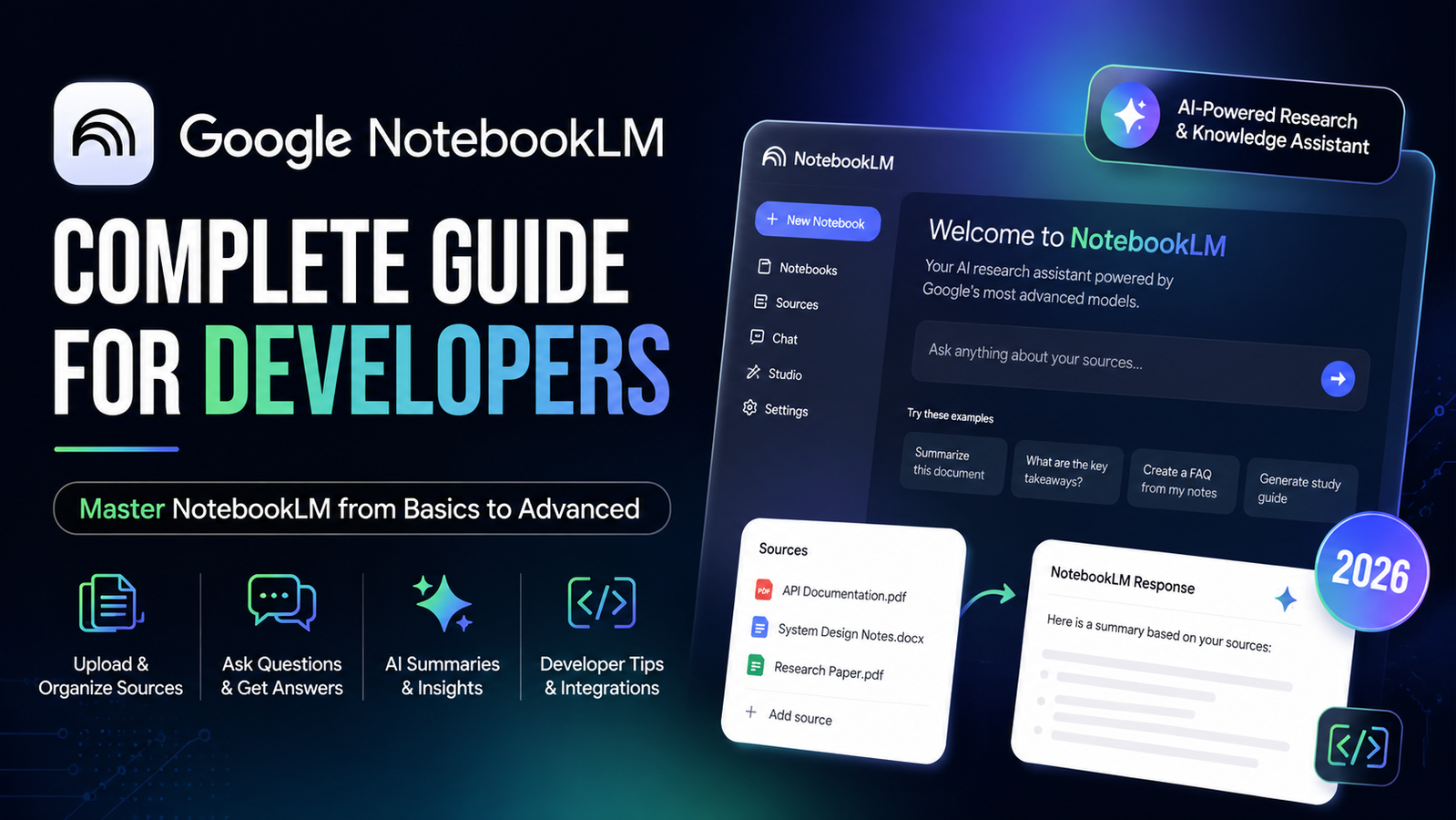
Google NotebookLM Complete Guide for Developers — grounded research workflows for technical writing